Recovery
Massage Guns, Foam Rollers And The Limits Of Soft Tissue Work
Percussive and roller devices reliably reduce perceived tightness and briefly increase range of motion, but the mechanism is largely neural rather than structural change in the tissue.
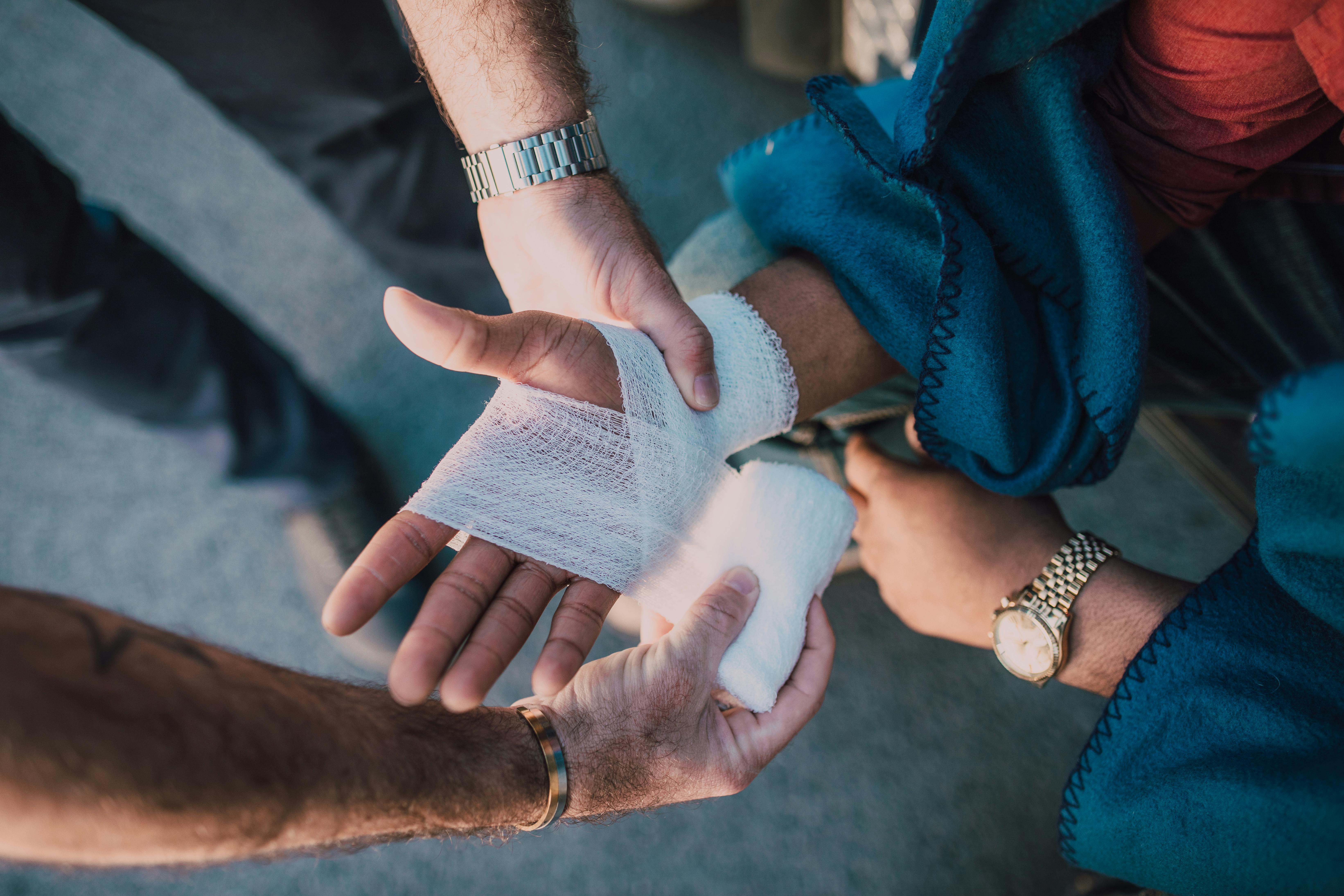
Soft tissue tools work, in the narrow sense that they do something measurable. What they do is not what the marketing describes, and the difference matters for how they are used.
Fascia does not release under hand pressure
The connective tissue these devices claim to reshape is mechanically strong. Forces sufficient to deform it permanently are far greater than a roller or a handheld device can deliver.
Tissue that yielded to that kind of pressure would be structurally inadequate for its actual job of transmitting force between muscle and bone.
Whatever produces the sensation of release, it is not a lasting change in the mechanical properties of the tissue being pressed.
The effect is mediated by the nervous system
Pressure and vibration stimulate receptors in skin and muscle, and that input alters the perception of tension and the tolerance to stretch.
Range of motion does increase after treatment, but it increases in a way consistent with changed tolerance rather than changed tissue length, and it fades within a short period.
The reduced sensation of tightness is genuine and is worth something. It is simply a different claim to the one usually made.
Short duration is enough
Because the effect is largely neural, extending treatment does not produce proportionally more benefit. Brief applications produce most of what longer sessions do.
This has a practical consequence: long soft tissue routines consume training time that would produce more if spent on loaded movement.
Using the tools briefly within a warm-up, on the area actually complaining, is a better allocation than a systematic pass over the whole body.
Timing changes what it does
Applied before training, these tools can improve the range available in a warm-up without the temporary reduction in force output that prolonged static stretching can produce.
Applied afterwards, the main reported effect is on soreness perception in the following days, which again reflects sensation rather than repair rate.
Neither use accelerates the underlying recovery processes, so a session performed with high fatigue is not made recoverable by treating it afterwards.
Where they should not be used
Percussive devices applied directly over an acute injury, a suspected fracture, an area of numbness, or over the front of the neck are not sensible uses of the tool.
Persistent localised pain that keeps returning to the same spot despite treatment is information, not a stubborn knot, and it warrants assessment rather than more pressure.
Treated as comfort measures with a modest and temporary effect on range, these devices are useful. Treated as therapy, they displace things that would work better.