Injury & Rehab
Stress Reactions In Bone And Why They Are Missed
Bone adapts to load but does so more slowly than muscle, and the injuries that result from outpacing it develop quietly and are frequently attributed to soft tissue.
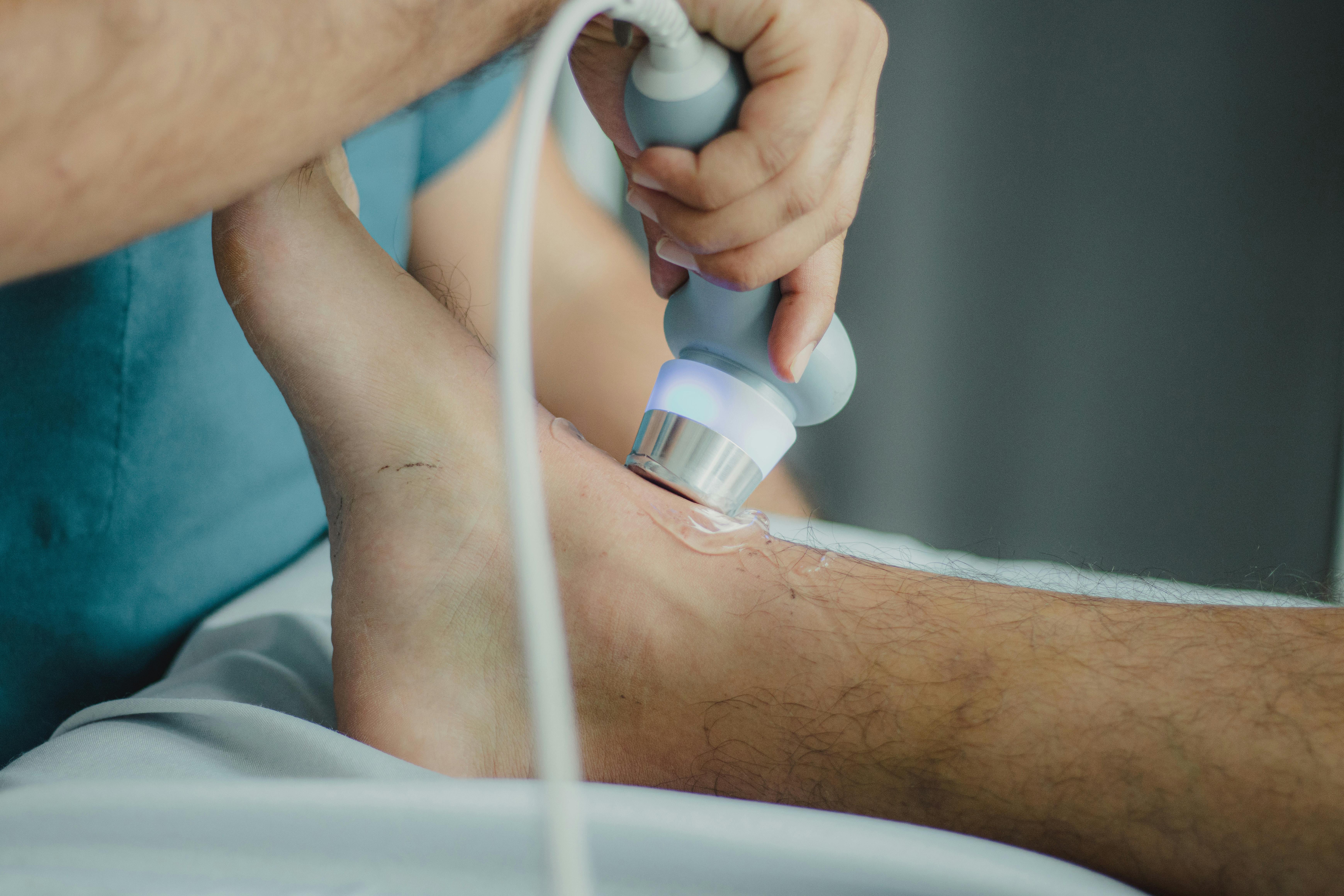
Bone is treated as inert scaffolding and is in fact a tissue under constant turnover. Loading it faster than it can remodel produces an injury that gives very little early warning.
Bone remodels continuously
Specialised cells remove bone tissue while others lay down new material, and the balance between them determines whether bone strengthens or weakens.
Loading stimulates this process, which is why weight-bearing activity increases bone density and why extended inactivity reduces it.
The removal phase precedes the rebuilding phase, so a period of increased loading temporarily leaves the bone weaker before it becomes stronger.
The vulnerable window explains the injury
If loading continues to increase during that temporarily weakened phase, microdamage accumulates faster than repair can address it.
The result is a stress reaction, which can progress to a stress fracture if loading continues, and the progression is gradual rather than sudden.
This is why these injuries follow increases in training volume rather than single events, and why they cluster after a change in routine.
The symptoms are easy to misattribute
Early stress reactions produce a diffuse ache that improves with warming up, which resembles ordinary training soreness and encourages continued training.
As it progresses, the pain becomes more localised, tender to press over a specific point of bone, and present during activity rather than only afterwards.
Pain that appears earlier in each successive session, or that begins to occur at rest and at night, is the pattern that distinguishes it from soft tissue complaints.
Energy availability affects bone directly
Prolonged low energy availability reduces the hormonal support for bone remodelling, and the resulting reduction in bone density raises the risk substantially.
This is why these injuries are more common in athletes combining high training volumes with restricted intake, and why the two factors compound.
Disrupted menstrual cycles alongside heavy training are a recognised warning sign in this context and warrant clinical assessment rather than dietary adjustment alone.
Why this needs professional assessment
Stress reactions are graded by severity, and the management differs considerably between an early reaction and an established fracture.
Some sites, particularly in the hip and parts of the foot, carry a higher risk of poor healing and are managed more conservatively for that reason.
Localised bone pain that persists, worsens with continued loading, or is tender over a specific point should be assessed rather than trained through.