Recovery
What A Rest Day Looks Like Physiologically
A day without training is not a day without activity in the body, and the repair, restocking and adaptation processes underway are what the training was for.
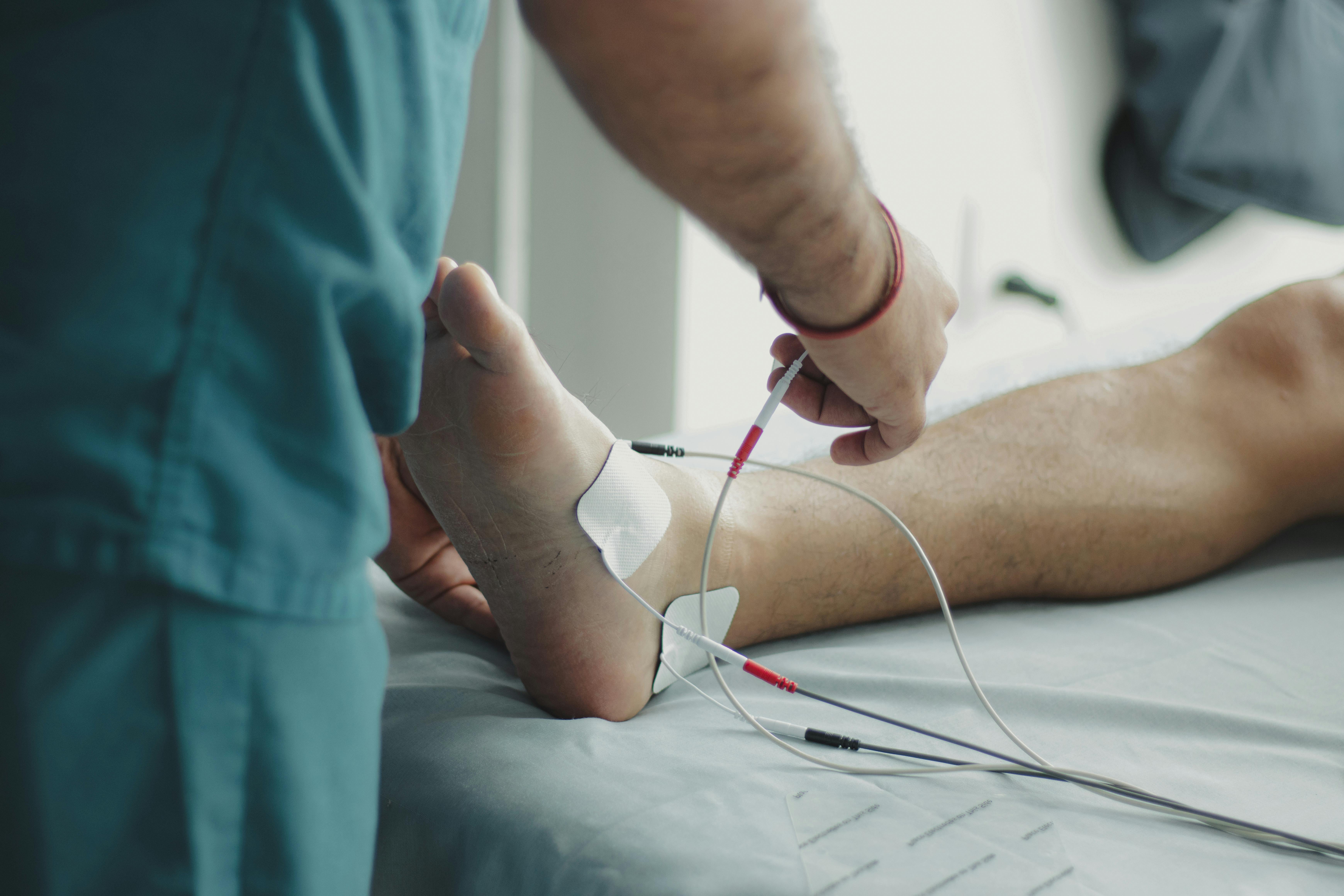
A rest day is defined by what does not happen in the gym, which makes it look empty. Physiologically it is when most of the change training was intended to produce actually occurs.
Repair of what training disrupted
Loading produces microscopic disruption in muscle fibers and in the connective tissue around them. The response to that disruption is an ordered repair process that unfolds over days.
Immune cells arrive at the affected tissue, clear damaged material, and signal for rebuilding, which is a substantial part of why the area feels tender before it feels normal.
That process is not accelerated by additional loading of the same tissue, which is the mechanism behind the recommendation to distribute work rather than concentrate it.
Restocking what was consumed
Muscle glycogen is drawn down by training and is replaced from dietary carbohydrate over the following hours and days, at a rate that depends on how much was used and how much is eaten.
Fluid and electrolyte balance also settles, particularly after sessions in hot conditions where losses through sweat were substantial.
These are supply-side processes rather than adaptive ones, which is why they are largely a matter of intake and time rather than of anything done actively.
Protein turnover and the building phase
Muscle protein is continuously broken down and rebuilt. Training raises the rate of synthesis for a period afterward, and net gain depends on synthesis exceeding breakdown across that window.
That elevation persists for a day or more after an unaccustomed session and is shorter in trained individuals performing familiar work.
The building therefore happens between sessions rather than during them, which is the concrete sense in which rest is part of training rather than an interruption of it.
Nervous system and hormonal settling
Heavy training raises circulating stress hormones and shifts the balance of the autonomic nervous system toward its activating branch for some hours afterward.
Returning to baseline is part of what a rest day permits, and it is closely connected to sleep quality, which is often disturbed after very hard or very late sessions.
Persistent failure to return toward baseline across weeks is one of the patterns associated with accumulating overreaching, and is best assessed with a qualified coach or clinician.
Why complete inactivity is not the point
The processes described continue regardless of whether the day is spent walking or lying down, so a rest day does not require stillness.
Light movement raises blood flow to recovering tissue without adding meaningful loading, which is the reasoning behind gentle activity on non-training days.
What distinguishes rest from training is the absence of a stimulus large enough to require its own recovery, not the absence of movement.