Injury & Rehab
Why Old Injuries Change How You Move
Movement patterns adopted during an injury frequently persist after it resolves, because the nervous system retains a strategy that was useful while the tissue was painful.
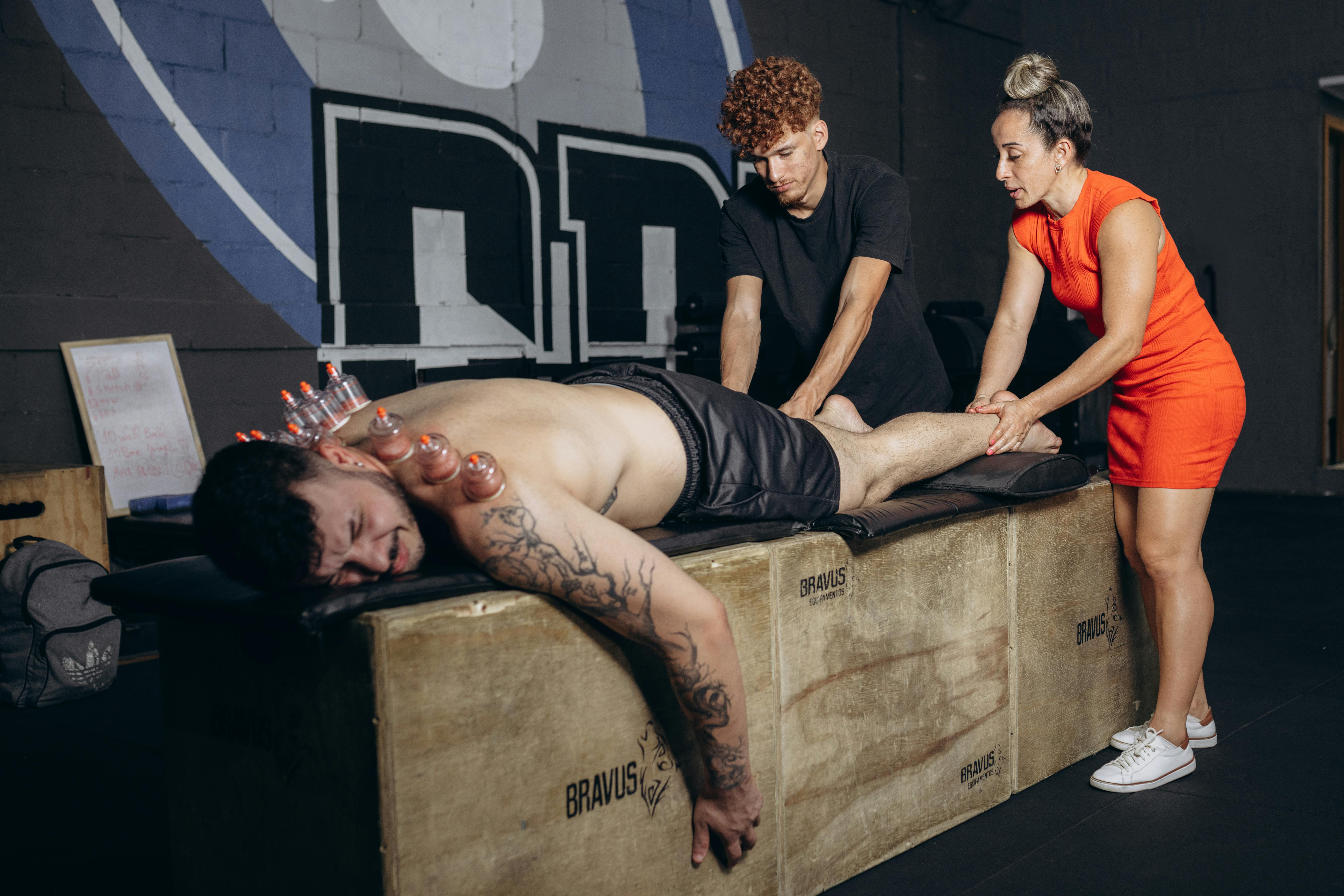
People often move differently years after an injury has healed. The tissue recovered; the strategy the nervous system adopted while it was painful did not necessarily go with it.
Pain changes movement immediately
When a region hurts, the nervous system alters muscle activation around it, typically increasing activity in some muscles and reducing it in others.
The result is a movement that avoids provoking the painful structure, which is useful in the short term and is produced automatically rather than by decision.
These adaptations appear quickly and do not require the person to notice them, which is why they are rarely deliberate and rarely remembered.
Why the pattern outlives the injury
Movement patterns are learned, and a pattern practiced through weeks or months of an injury has been practiced a great deal.
Once the pain resolves there is no signal instructing the system to revert, since the altered pattern works and nothing prompts a return to the original.
Reverting therefore requires the same thing acquiring it did: repeated practice of the alternative, usually with feedback, rather than an intention to move normally.
What the persistence costs
An asymmetric pattern shifts load away from one region and onto another, which means a different structure is now receiving more than it previously did.
Over long periods that redistribution is one of the proposed reasons a previous injury is among the stronger predictors of a future one, though the relationship is not simple.
Performance is affected as well, since a movement organized around protecting something is not organized around producing force efficiently.
The confidence component
Beyond the motor pattern, people frequently avoid the position or movement in which an injury occurred, and that avoidance is often not consciously acknowledged.
Reduced confidence in a movement changes how it is performed, generally producing more hesitancy and more stiffness through the range.
Addressing that side is a recognized part of rehabilitation, because a movement that is physically available but psychologically avoided is not functionally restored.
How the change is identified
Video comparison of both sides in a symmetrical movement is the most accessible method, since side-to-side differences are far easier to see than absolute faults.
Simple loaded tasks performed one limb at a time reveal differences that a two-limb movement conceals, because the stronger side compensates automatically.
Persistent asymmetry, particularly with any recurring discomfort, is a reason to see a physical therapist rather than to correct it by adding work to the weaker side.