Technique
The bench press arch, and why it is not cheating
The arch is one of the most misunderstood things in the gym — condemned as dangerous by people who have never used one and exaggerated into absurdity by people who compete.
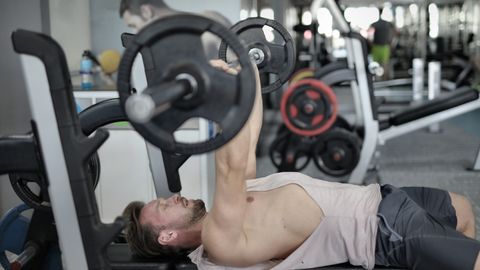
Arch the back on a bench press and someone will tell you that you are ruining your spine and cheating the lift. Both claims deserve examination, because the arch is doing several useful things and most of the objections are based on a misunderstanding of what it is.
What the arch actually does
It shortens the range of motion. True, and this is what people object to. Raising the chest reduces the distance the bar travels. In a competitive lift where the goal is moving maximum weight, that is a legitimate mechanical advantage within the rules.
It improves shoulder position. This is the part critics miss. Arching thoracically and retracting the shoulder blades places the shoulder in a more stable, packed position, which reduces the extent to which the humerus travels forward in the socket at the bottom. For most people this is the difference between benching comfortably for years and developing anterior shoulder pain.
It creates leg drive. With the feet planted and the arch established, force from the legs transmits through the trunk into the bar. Without an arch, the legs contribute very little.
It makes the setup stable. Five points of contact — head, upper back, glutes, and both feet — with tension through the whole body creates a rigid platform to press from. A soft, flat setup means force leaks.
Thoracic versus lumbar
This is the distinction that resolves most of the argument.
A healthy bench arch is primarily thoracic extension — the upper and middle back extending — with the shoulder blades pulled down and together. The lumbar spine follows into some extension, but it is not where the arch is generated.
The extreme competition arches you see in powerlifting are a different matter. Those involve substantial lumbar extension, they require considerable hip flexor and spinal mobility, and they are trained for specifically over years. For a competitor they are a rules-legal optimisation. For a general lifter they offer nothing and they do load the lower back in extension while under a bar.
So: arch through the upper back, keep the glutes on the bench, and do not force the lumbar spine into a position it does not want.
Building the setup
Lie down with your eyes roughly under the bar. Grip the bar and use it to pull yourself up the bench slightly, sliding your upper back toward your head — this creates the thoracic arch naturally.
Plant the feet. Where depends on your build; somewhere they can push into the floor without lifting the glutes. Tucked back under the knees works for many people and requires ankle mobility.
Pull the shoulder blades down and together, and keep them there. This is the position you maintain for the entire set. The most common technique failure in the bench press is losing scapular retraction as the set progresses, which is when shoulders start to hurt.
Take a breath, brace, and unrack — ideally with a spotter handing the bar out, so you do not have to reach and lose your position to get it off the hooks.
Bar path and touch point
The bar should not travel straight up and down. It descends to roughly the lower chest or upper abdomen and travels up and slightly back toward the shoulders, ending over the shoulder joint at lockout.
Touching too high — up near the collarbone — flares the elbows and puts the shoulder in a poor position. Touching too low reduces leverage.
Elbows should be somewhere between forty-five and seventy degrees from the torso, not flared to ninety and not tucked hard to the sides. The exact angle depends on grip width and build.
Grip width
Wider shortens the range and involves more chest; narrower lengthens it and involves more triceps. Very wide grips place the shoulder in more extreme abduction, which some people tolerate and others do not.
A useful starting point is a grip where the forearms are roughly vertical when the bar touches the chest. From there, adjust based on where you are strongest and what your shoulders like.
The safety points
Use a spotter, or a rack with safety pins set just below your chest height. Do not use collarless bars with the intention of tipping the plates off if you fail — it works, and it is a poor plan, and it destroys equipment.
Do not use a thumbless grip. The bar sitting on open palms above your throat is a genuinely bad idea and it has killed people. The small comfort advantage is not worth it.
And if your shoulders hurt when you bench, before abandoning the lift, try: retracting the scapulae properly and maintaining it, narrowing the grip slightly, reducing the elbow flare, and using dumbbells or a football bar for a block. Most bench-related shoulder pain is a setup problem rather than an argument against pressing.


